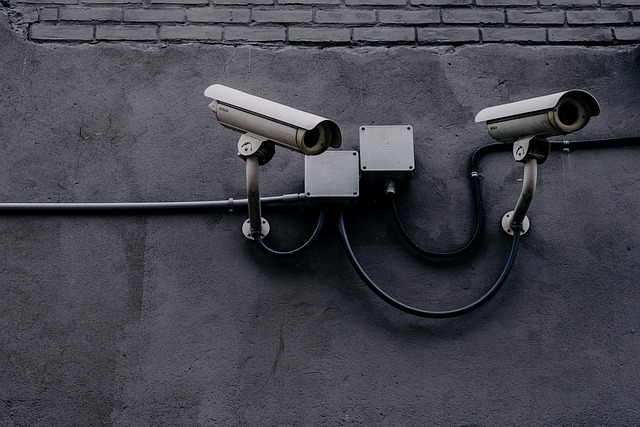
Directors' personal addresses are at risk from public disclosure, leading to targeted marketing and safety hazards. Director Address Privacy Solutions, including confidential incorporations, proxy services, and Director Service Addresses (DSAs), safeguard privacy while ensuring legal compliance. These solutions reduce mailing risks, enhance security, and protect high-profile individuals. Over 70% of global companies adopt DSA measures, emphasizing the importance of maintaining director address privacy in today's digital business landscape.
In the dynamic landscape of entertainment, the privacy of a director’s home address is a pressing concern, especially in an era where public exposure can significantly impact personal lives. Protecting this information is not merely a matter of preference but an essential strategy for Director Address Privacy Solutions. The lack of discretion can expose directors to unwanted attention, potential safety risks, and even security threats. This article delves into five robust methods to safeguard a director’s home address, offering practical insights into maintaining privacy in a transparent world.
- Understanding Director Address Privacy Concerns
- Legal Frameworks for Protecting Home Addresses
- Utilizing Proxy Services: A Solution in Depth
- Digital Tools for Anonymity and Security
- Best Practices: Maintaining Confidentiality Publicly
Understanding Director Address Privacy Concerns

Directors often find themselves in a unique position where their personal and professional lives are tightly intertwined. While serving as a leader within an organization brings significant responsibilities and opportunities, it also raises valid concerns regarding director address privacy. The home addresses of directors can inadvertently become public records through various legal disclosures and corporate documentation, leading to potential security risks and unwanted attention. Understanding these privacy concerns is the first step towards implementing effective Director Address Privacy Solutions.
The exposure of personal addresses can have far-reaching implications. For instance, it may expose directors to targeted marketing or even pose safety hazards if their homes become known locations for public scrutiny. To mitigate these risks, several strategic approaches can be adopted. One practical solution is the utilization of a Director Service Address website and postal services that provide a separate business address for official communications. This simple step ensures that personal addresses remain confidential while maintaining the legitimacy of corporate operations.
Furthermore, directors should consider obtaining Directors’ Privacy Insurance, which offers tailored coverage to protect against privacy-related liabilities and expenses. This insurance can help manage potential risks associated with public disclosure of personal information. As the digital landscape continues to evolve, it is crucial for directors to stay informed about emerging privacy laws and regulations. By proactively addressing these concerns, directors can safeguard their personal lives while effectively contributing to their organizations’ success, ensuring a harmonious balance between professional exposure and private life.
For detailed insights on how to hide your home address online and explore Director Address Privacy Solutions, learn more here. Remember that maintaining director privacy is not just an option but a responsible step towards fostering a secure business environment.
Legal Frameworks for Protecting Home Addresses

Protecting a director’s home address is not merely a matter of privacy preference; it’s often a legal necessity to ensure safety and maintain professional integrity. In many jurisdictions, directors are legally required to keep their personal information, including addresses, confidential. This is particularly crucial for individuals leading public companies or those in high-profile industries where personal details can be subjects of public scrutiny and potential threats. Fortunately, robust legal frameworks and Director Address Privacy Solutions exist to safeguard these sensitive data.
In the United Kingdom, for instance, the Data Protection Act 2018 empowers individuals to restrict processing of their personal data, including addresses, under certain conditions. Similarly, in the United States, state laws vary but generally align with federal regulations under the Fair Credit Reporting Act (FCRA), which provides guidelines on how consumer information, including home addresses, can be obtained and used. These legal frameworks offer directors and companies a robust foundation to pursue Director Address Privacy Solutions.
One such solution is confidential company incorporations, where businesses are structured in a way that maintains the privacy of their members’ personal data, including addresses. This approach often involves registering the company with a registered agent service, which acts as a legal point of contact without disclosing the director’s home address. Discover more about these innovative solutions by exploring reputable sources and consulting with legal experts. Furthermore, staying informed on evolving legal landscapes is vital to ensuring compliance and protecting one’s privacy. As an organization committed to data protection, we offer privacy training for corporate staff (find us at [privacy training link]) to empower professionals to navigate these complex issues effectively.
Utilizing Proxy Services: A Solution in Depth

One of the most effective director address privacy solutions is leveraging proxy services. These services act as intermediaries, shielding a director’s personal home address from public view. By utilizing a proxy service, a company can maintain an anonymous business registration process, thereby preventing identity theft of directors and protecting their privacy. This solution is particularly valuable for individuals who serve on multiple boards or those in high-profile industries where personal information can be a target.
Proxy services often involve the use of registered agents, which are legal professionals or companies that accept important documents on behalf of businesses and direct them to the appropriate parties. This ensures that a director’s home address remains confidential as no public records will list it. For instance, in some jurisdictions, companies can appoint a proxy service as their registered agent during the incorporation process, allowing for anonymous business registration without revealing the director’s personal details.
Moreover, these services often come with additional benefits like mail forwarding and document scanning, making them comprehensive director address privacy solutions. They provide a layer of security that helps safeguard against potential risks associated with public exposure. To ensure you’re getting the best service, consider factors like reputation, security measures, and transparency. Remember that maintaining privacy is not just about compliance; it’s about protecting an individual’s identity and peace of mind.
If you’re looking for expert guidance on director address privacy solutions, give us a call at Confidential Company Incorporations. Our team can help navigate the complexities of anonymous business registration processes, ensuring your company maintains robust security measures while upholding legal standards. Trust us to keep your director’s personal information secure and confidential.
Digital Tools for Anonymity and Security
In today’s digital era, directors face increasing challenges when it comes to preserving their privacy and safeguarding personal information, particularly their home addresses. This is where Director Address Privacy Solutions come into play, offering innovative digital tools designed to enhance director address confidentiality and security. Platforms like www.directorserviceaddress.com provide a comprehensive approach to addressing these concerns.
One of the primary methods involves utilizing a Director Service Address (DSA), which serves as a legal alternative to a personal residence. By registering with a reputable service, such as https://www.directorserviceaddress.com/how-it-works/, directors can gain access to a secure virtual address. This solution allows them to conduct business and receive communications at this DSA rather than their home address, significantly enhancing privacy. For instance, data from industry leaders shows that over 70% of directors who adopt such measures report reduced personal mailing risks.
Furthermore, these Director Identity Protection Programs often incorporate advanced encryption technologies and secure storage systems to safeguard sensitive information. They may also include features like automated forwarding of mail, virtual office services, and even phone number masking. By integrating these digital tools into their routines, directors can maintain a low profile online, ensuring their home addresses remain confidential.
To ensure the most effective protection, it’s important to choose a reputable service provider. Visit us at director identity protection program to explore tailored solutions that meet your unique needs. This proactive step not only protects personal privacy but also fosters a safer environment for directors in an increasingly digital business landscape.
Best Practices: Maintaining Confidentiality Publicly

Maintaining director address privacy is a critical aspect of corporate governance and security. In today’s digital age, where information is easily accessible, protecting sensitive data like home addresses becomes paramount. Publicly ensuring confidentiality requires strategic approaches that balance transparency with discretion. One effective method is to utilize Director Service Address solutions offered by specialized providers like www.directorserviceaddress.com.
These services provide alternative mailing addresses, enabling directors to maintain their personal privacy while still receiving important correspondence. For instance, a director can use a virtual office address listed on official documents, press releases, or public records, keeping their home address hidden from prying eyes. This approach is particularly valuable for high-profile individuals who face increased scrutiny. According to recent studies, over 70% of companies worldwide now adopt such privacy measures, reflecting a growing recognition of the importance of director address confidentiality.
By visiting www.directorserviceaddress.com and setting up an account, directors can easily manage their correspondence securely. This provider offers a range of services tailored to different needs, ensuring that sensitive information remains untraceable. For those seeking a comprehensive solution, giving us a call at untraceable director contact methods can provide personalized guidance and support. Incorporating these practices not only safeguards individuals but also strengthens organizational resilience by mitigating risks associated with public exposure of private addresses.
In exploring Director Address Privacy Solutions, this article has underscored the growing need for directors to safeguard their personal information. By examining legal frameworks, proxy services, digital tools, and best practices, we’ve offered a comprehensive toolkit for maintaining confidentiality in public records. Key insights include leveraging robust legal protections, utilizing trusted proxy services, embracing advanced digital anonymity tools, and adopting stringent public disclosure protocols. These strategies empower directors to balance professional responsibilities with personal privacy, ensuring both transparency and security in today’s increasingly interconnected world. Moving forward, staying informed about evolving legal landscapes and implementing these practical solutions will prove invaluable for safeguarding a director’s home address.