
Protecting a director's home address requires balancing legal transparency with discretion. Director Address Privacy Solutions include Companies House compliant addresses, anonymous communication agents, virtual offices, and trust structures. Consulting legal professionals ensures tailored strategies. Staying informed about regulations like GDPR maintains public-private harmony. These solutions safeguard personal information, reduce unsolicited contact, and enhance security in the digital landscape.
In today’s digital age, where online privacy is a growing concern, the question of how to protect a director’s home address has become increasingly pertinent. Directors, as key figures in various industries, often face scrutiny that can compromise their personal safety and security. Hiding or safeguarding their addresses is not merely a matter of convenience but an essential strategy for Director Address Privacy Solutions. This article aims to provide a comprehensive guide to tackling this complex issue, addressing common queries, and offering practical insights into maintaining discretion while ensuring business continuity. By the end, readers will gain valuable knowledge on navigating this delicate balance.
- Understanding Director Address Privacy Needs
- Legal Considerations for Hiding Home Addresses
- Creative Ways to Protect Director's Identity
- Utilizing Director Address Privacy Solutions
- Alternative Addresses: A Step-by-Step Guide
- Maintaining Confidentiality: Best Practices Revealed
Understanding Director Address Privacy Needs

Understanding the privacy needs of directors is paramount when addressing how to hide a director’s home address. Directors, as key figures in their organizations, often face increased scrutiny, making the protection of personal information crucial for maintaining professional integrity and safety. The primary goal should be to strike a balance between transparency required by legal entities like Companies House and the necessity for discreetness.
A common concern is ensuring compliance with regulations while preserving anonymity. Using a Companies House compliant address allows businesses to maintain a public record while protecting individual privacy. Legal protections for anonymous addresses further reinforce this strategy, making it a viable Director Address Privacy Solution. For instance, in the UK, directors can appoint an agent to receive official communications on their behalf, concealing their personal contact details.
Additionally, exploring innovative Director Address Privacy Solutions like virtual office services or trust structures offers enhanced security measures. These methods provide alternative mailing addresses and phone numbers, diverting public inquiries away from individual homes. For example, a director might utilize a service that forwards mail to a secure, shared business location. This not only hides the home address but also adds an extra layer of security and discretion.
To implement these strategies effectively, directors should consult legal professionals who can guide them in choosing the most suitable solution. Visiting us at enhance corporate privacy protocol anytime provides access to resources and expertise tailored to these specific needs. By staying informed about both Companies House requirements and available privacy protections, directors can maintain a balanced approach to their public and private lives.
Legal Considerations for Hiding Home Addresses

Maintaining privacy for a director’s home address is a complex matter, especially when navigating legal requirements. In many jurisdictions, directors of companies are legally obligated to disclose their personal information, including addresses, which can make it challenging to balance transparency with security. However, there are Director Address Privacy Solutions that offer robust legal protections for anonymous addresses, enabling individuals to protect their privacy while adhering to regulatory standards.
One effective approach is utilizing a DirectorServiceAddress—a service designed specifically to provide a forwarding address for official communications. These services act as intermediaries, shielding personal addresses from public view. For instance, in the UK, companies can appoint an agent with a registered office as the official address for legal documents, protecting directors’ home addresses. This strategy is not only legally sound but also offers peace of mind by separating personal and professional information.
Moreover, understanding local laws regarding data privacy and corporate governance is paramount. Different regions have varying requirements; some offer more stringent protections for director data. For example, the General Data Protection Regulation (GDPR) in Europe places significant restrictions on data sharing, including personal addresses. As a result, directors can leverage these legal frameworks to bolster their privacy efforts.
To discover more about tailored Director Address Privacy Solutions and explore safe director communication channels, visit our website. By combining legal protections for anonymous addresses with innovative services, directors can maintain a balance between transparency and privacy. It’s crucial to stay informed about evolving regulations while employing effective strategies to safeguard personal information.
Creative Ways to Protect Director's Identity
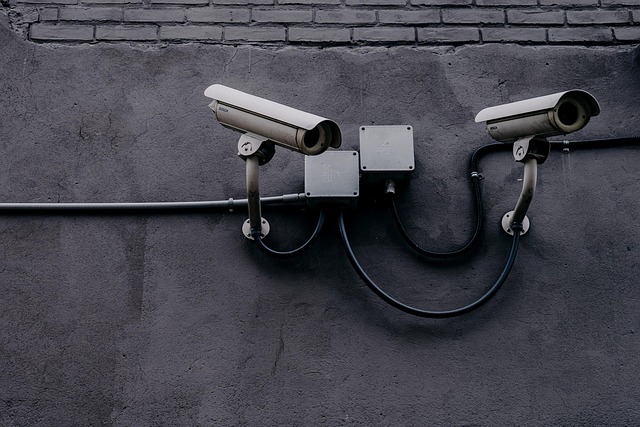
Protecting a director’s home address is a critical aspect of maintaining privacy and security. In today’s digital age, where information is readily accessible, finding creative ways to shield personal details is more important than ever. Directors often face the challenge of balancing their public roles with preserving a private life—a delicate equilibrium that requires innovative solutions. This section explores diverse strategies to ensure director address privacy, focusing on unique and effective methods beyond conventional means.
One such solution involves the utilization of Director Service Addresses in the UK as an alternative. These addresses, offered by reputable virtual office providers, serve as legal entities for mail and official communications, thus protecting the director’s real home address from public disclosure. By choosing a service address, directors can maintain their privacy while still receiving important documents and packages securely. For instance, a director operating an e-commerce business might use a virtual office in London, ensuring that personal information remains confidential even as orders pour in from across the globe.
Moreover, considering Director Address Privacy Solutions is not just about legal compliance; it’s about empowering individuals to control their narrative. By implementing smart strategies, directors can navigate the professional world with enhanced discretion. For example, instead of using a personal address on official documents, a director can opt for a registered office or a virtual location, especially when dealing with investors or regulatory bodies. This simple change can significantly reduce the risk of unsolicited contact or even potential threats to personal safety. Discover more about these discreet options by visiting us at our virtual office for director privacy anytime.
In some cases, directors may choose to establish a trust or incorporate a private company to hold their address details, adding another layer of protection. This approach is particularly beneficial for high-profile individuals facing heightened scrutiny. By employing such measures, directors can safeguard their identities and personal lives while confidently engaging in professional endeavors. Remember that staying one step ahead in terms of privacy is crucial in the digital landscape, where information can be exposed through various channels.
Utilizing Director Address Privacy Solutions

Many directors seek ways to maintain a level of privacy regarding their home addresses for valid reasons. One effective strategy involves leveraging Director Address Privacy Solutions, which offer a discreet and secure approach to handling this sensitive information. These solutions are particularly valuable for individuals who wish to protect their personal details while still adhering to legal requirements.
Director Address Privacy Solutions facilitate an anonymous business registration process, enabling directors to conduct their official duties without exposing their home addresses. This option is especially beneficial for those concerned about potential privacy breaches or unwanted attention. By utilizing these services, directors can ensure that their contact information remains confidential, accessible only through authorized channels. For instance, consider a director who owns multiple businesses; this provider can manage all associated registrations, providing a unified and secure platform to handle shareholder communications without revealing personal details.
The market offers various providers specializing in Director Address Privacy Solutions. When selecting one, ensure it aligns with your specific needs and complies with relevant laws. Reputable providers typically offer robust data security measures, including encryption and strict access controls, guaranteeing the safety of director information. Moreover, some services provide additional benefits like personalized customer support and regular updates on regulatory changes, ensuring you remain compliant without constant vigilance. Visit us at secure director contact info anytime for more insights into these protective measures.
Alternative Addresses: A Step-by-Step Guide

Maintaining privacy for a director’s home address is a significant concern for many business leaders. One effective strategy to achieve this involves utilizing alternative addresses, allowing directors to maintain anonymous mailing addresses while still enjoying the benefits of professional communication channels. In the UK, Director Service Address (DSA) solutions have become increasingly popular, providing a practical and legally sound method to protect personal information.
The process of setting up an alternative address is straightforward yet requires careful consideration. Firstly, individuals or businesses should choose a reputable DSA provider that aligns with their needs. Many offer a range of services, from virtual offices to dedicated mailing addresses, ensuring flexibility. For instance, some providers even allow for the use of a PO box as a director’s official address, offering a simple and cost-effective solution. Once selected, the next step involves signing up for the chosen service, which often includes providing basic personal details and payment information. This is where maintaining anonymous mailing addresses becomes a reality, allowing directors to receive mail at a secure, third-party location.
After registration, users can typically manage their accounts online, setting up forwarding rules and customizing their communication channels. For example, visitors to the provider’s website can easily set up an automatic forwarding system, ensuring that all correspondence is seamlessly redirected to a safe director communication channel—be it a virtual office or a dedicated service address in the UK. This tool not only safeguards personal addresses but also provides a professional image, enhancing business credibility. Furthermore, some providers offer additional services like mail scanning and digital document retrieval, making it simple to access and manage important communications securely. By taking these steps, directors can effectively protect their privacy while still benefiting from efficient and secure correspondence.
Maintaining Confidentiality: Best Practices Revealed

Maintaining the privacy of a director’s home address is a critical aspect of safeguarding their personal safety and security. In today’s digital age, where information is readily accessible, it’s crucial to employ robust Director Address Privacy Solutions. This company specializes in providing discreet and effective strategies to protect directors’ addresses, ensuring their privacy and security.
One of the most common challenges is balancing transparency with confidentiality. Many companies require accurate director information for legal compliance and regulatory purposes. However, a simple solution is leveraging virtual office services from a DirectorServiceAddress provider. These providers offer temporary or permanent mailing addresses that serve as a proxy for the director’s home address, preserving their privacy. For instance, a director who uses this service may receive official correspondence at a virtual office in a secure location, keeping their personal address hidden.
Another best practice is implementing dynamic identity management systems. This involves regularly updating and verifying director information, ensuring that only authorized personnel have access to sensitive data. By adopting such measures, organizations can enhance security while maintaining compliance with privacy regulations. Additionally, providing comprehensive training on data protection for corporate staff through our privacy training for corporate staff program can significantly contribute to a culture of confidentiality and responsibility.
Data breaches and identity theft are significant risks that require proactive measures. DirectorAddress Privacy Solutions often include advanced encryption technologies and secure data storage methods to safeguard personal information. For example, using encrypted digital documents and secure cloud storage ensures that even if access is gained, the data remains unreadable without decryption keys. Regular security audits and protocol updates further strengthen these defenses, giving directors peace of mind.
In addressing common questions about hiding a director’s home address, this article has provided a comprehensive guide to Director Address Privacy Solutions. Key insights include understanding the legal considerations behind privacy needs, exploring creative means to protect directors’ identities, and utilizing effective solutions available in the market. By delving into alternative addresses and best practices for maintaining confidentiality, readers now possess practical tools to navigate this sensitive issue. The article’s authority lies in its detailed exploration of both legal frameworks and innovative strategies, empowering individuals to make informed decisions regarding director address privacy. Moving forward, implementation of these learned practices will foster a robust and discreet approach to protecting director identities.